
The first step in making world-class Texas brisket isn’t lighting your fire—it’s learning how to trim brisket.
A whole brisket straight from the butcher is loaded with a layer of fat called the fat cap, thick interior fat seams called the deckle, and plenty of pointy edges that simply dry out during the cooking process. Without proper trimming, you’ll end up with dry edges, uneven smoke penetration, or large deposits of beef fat where you really wanted juicy, smoke-kissed meat.
In this post, I’ll walk you through how to trim a brisket, show you the best knife to use, explain the different parts of the brisket (flat vs point), and share what to do with your brisket trimmings (hint: save them for Beef Tallow, Ground Beef (AKA Brisket Burgers), or even Brisket Beans).
At first glance, it seems complicated, but we'll have you trimming brisket in under 10 minutes with a little practice and lots of photos for reference.
Selecting the Best Brisket for Smoking
Brisket is the pectoral muscle of a steer and is likely the largest cut you will smoke in backyard barbecues. The average weight is 8 to 16 pounds and it is likely you will trim 3 to 5 pounds of fat and muscle off a brisket before you smoke it.

A whole brisket (sometimes called a packer brisket) is made up of two main parts of the brisket: the brisket flat and the brisket point.
- The flat cut is leaner, with less intramuscular fat, and is the portion most people think of when they picture neat slices of brisket.
- The point cut (also called point meat) is thicker, with multiple point muscles separated by fat seams, making it juicier and perfect for brisket recipes like burnt ends.
- The deckle is the tissue separating the flat from the point made up of intermuscular fat and connective tissue, often called the deckle fat seam.
Look for a brisket with a thick, uniform flat cut (so it doesn’t dry out), some flexibility when bent, and good intramuscular fat (marbling). That combination gives you the best meat to work with.
Backyard Tip: You Don't Have to Trim At All
Here’s the truth: you don’t have to trim your brisket at all. Many old-school barbecue cooks will tell you they just throw the brisket on the pit and let the fire do the work. And you know what? It’ll still taste good—brisket is incredibly forgiving.
But trimming has its advantages. Shaping the brisket by removing hard deposits of fat, thinning down the fat cap, and rounding the pointy edges, means the smoke flows over the meat evenly and the bark develops more consistently.
Should I Even Trim my Brisket?
If you’re cooking a backyard brisket where identical slices don’t matter (unlike in competition barbecue, where uniformity is everything), you can put the whole packer straight on the pit and still enjoy tender, smoky beef...
That said, most backyard pitmasters like to take a little off the fat cap. A full, thick deposit of fat won’t completely render during the cooking process, and leaving it on can lead to greasy bites. With just a few minutes and a sharp boning knife, you can thin that cap to about a quarter-inch—enough fat to baste the meat, without overwhelming it.
Proper trimming isn’t hard (do not get OCD about it), and it makes your brisket cook more evenly. By shaving away excess fat, rounding the edges, and removing corners that stick out, you create a brisket that lets smoke flow effortlessly over the meat surface. The result? Better bark, consistent slices, and an easier path to success—whether you’re cooking for family or chasing that perfect Central Texas slice.
Tools You’ll Need for Proper Trimming
- A sharp utility or boning knife ( my favorite knife for this job)
- A large cutting board (secured underneath with a wet kitchen towel to prevent slips)
- Cold brisket (easier to trim when it’s straight from the fridge)
- Hand towels
- Nitrile gloves

A sharp knife is critical here—you’ll be making long, precise cuts across the meat surface, through layers of connective tissue, and along the fat layer on the fat cap side. Dull knives slip, tear, and waste good pieces of meat. We wrote a post about our favorite knife sharpeners here.
Brisket Anatomy: Knowing the Parts
Understanding the parts of the brisket will help you trim with confidence:

- Fat Cap Side: The thick fat layer that covers one side of the brisket. For this post, we're calling this the top of the brisket. You’ll trim this down to about ¼ inch of fat.
- Hard Fat: A large chunk of hard fat and connective tissue between the flat and point. It won’t render and can be removed if desired.
- The Point: The thicker, fattier end with multiple point muscles and fat seams. Juicy and rich, it’s great for burnt ends.
- The Flat: The long, leaner section with less intramuscular fat, perfect for slicing.
- Bottom of the Brisket: The underside, where you’ll often find silver skin and thin patches of excess fat. For this post, we're calling this the bottom of the brisket.


Step-by-Step: How to Trim a Brisket
Pre-Step: Refrigerate the brisket
The brisket needs to be refrigerated and ice-cold when we begin for best results.
Step 1: Remove the Long-Edged Sides (Squaring the Brisket)
Start with an ice-cold brisket, fresh from the refrigerator. On your cutting board, start with the fat cap down and the bottom of the brisket up.


Remove a strip of the gnarly looking meat on both long sides of the brisket. This is made up of irregular ragged edges, silver skin, and fat deposits. Trimming the sides flat creates even airflow and better smoke penetration.
When you're done you will see that the two longest sides are straight lines, giving it a more uniform shape. Save these brisket trimmings for brisket beans or making tallow to spray your next smoked brisket.
Step 2: Remove The Hard Fat Deposit and Fat Seams
With the bottom side of the brisket facing up, you will see a protrusion of hard fat that rises above the rest of the brisket meat. Use your sharp boning knife to carefully carve this fat away as it is too thick to render down.

Step 3: Remove Silver Skin
Next, remove any fatty membrane deposits or silver skin because it will prevent good bark formation. You’ll often see a thin, shiny layer of connective tissue (silver skin).

Slide your sharp knife just under the thin layer and peel it away. This step ensures rub adheres directly to the red meat.

Step 4: Trim the Fat Cap Side
Flip the brisket to the fat cap facing up. On the fat cap side, you’ll see a thick layer of fat that we can trim slightly. (This step is superficial for pellet grill users as we smoke our briskets fat side down to protect the meat from radiant heat), but you can still trim to give yourself good practice.

Using precise cuts, shave it down until you have about ¼ inch of fat remaining across the meat surface. This is enough fat to baste the meat as it renders, but not so much fat that bites are greasy. Avoid leaving sharp edges of fat—round them off so the brisket cooks evenly without curling.

Step 5: Round the Corners and Final Touches
Trim off sharp edges from the long sides and ends of the brisket. This improves airflow during the cooking process and prevents burnt tips. At this stage, your brisket should look smooth and uniform, with a consistent fat layer and clean meat surface.

What to Do with Brisket Trimmings
Don’t toss your fat trimmings and excess pieces of meat—they’re gold for other brisket recipes. Here’s what a lot of people do with them:

- Beef Tallow: Render the fat trimmings into beef tallow for wrapping brisket or frying potatoes.
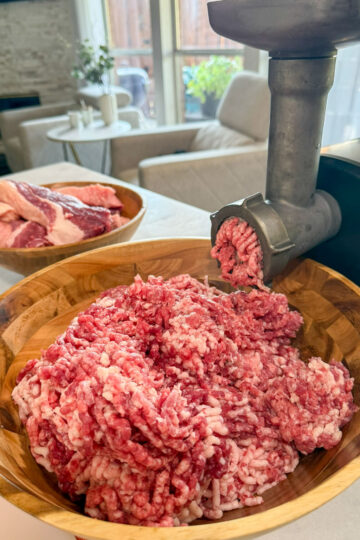
- Ground Brisket / Ground Beef: Grind trimmings and combine with lean red meat for burgers, chili, or meatballs.
- Beef Sausage: Mix brisket trimmings and beef fat into homemade sausage.
- Brisket Beans: These borracho-style beans made with brisket trimmings are a favorite Texas barbecue side dish.
At the end of the day, trimming is about more than just shaping brisket—it’s about setting yourself up with ingredients for additional kitchen projects!
Backyard vs Competition Trimming
- Backyard Trim: Quick and functional. Remove only the excess fat, square the long-sides and round the edges, and leave a thin fat layer for moisture.
- Competition Trim: Requires precise cuts, shaping the flat cut into a round-cornered oval, and cleaning the point cut for uniform slices in the turn-in box.
Competition trim takes off a significant amount more meat for the purpose of aesthetics when turning in boxes for evaluation by barbecue judges. It's not necessary unless you want to learn this style of barbecue brisket.
Common Brisket Trimming FAQs
How much fat cap should I leave?
About ¼ inch of fat across the meat surface is ideal.
What’s the best knife for trimming brisket?
A sharp boning knife or 6 inch utility knife. The best knife is one that makes long, precise cuts without tearing.
What do I do with brisket trimmings?
Save them for beef tallow, ground beef, or brisket beans, beef sausage.
Final Thoughts
Learning to trim a brisket is about balance. Leave enough fat to keep it juicy, but not so much fat that it overwhelms the red meat. Remove hard fat and connective tissue, square your long sides, and aim for smooth, even surfaces. Whether you’re cooking backyard-style or prepping for competition, proper trimming is the foundation of great brisket.
At the end of the day, every pitmaster starts here—on a big cutting board, sharp boning knife in hand, shaping a whole brisket into something worthy of Texas smoke.

How to Trim a Brisket for Smoking (Step-by-Step Guide with Photos)
Equipment
- 1 Boning Knife
- Nitrile Gloves
- Cutting Board
- Hand Towel
Ingredients
- 1 whole brisket
Instructions
- Pre-Step: Refrigerate the brisketThe brisket needs to be refrigerated and ice-cold when we begin for best results.

Square The Long Edges
- Start with an ice-cold brisket, fresh from the refrigerator. On your cutting board, start with the fat cap side down and the bottom of the brisket up. You will find placing a damp kitchen towel underneath the cutting board prevents it from moving.Remove a strip of the gnarly looking meat on both long sides of the brisket. This is made up of irregular ragged edges, silver skin, and fat deposits. Trimming the sides flat creates even airflow and better smoke penetration.When you're done you will see that the two longest sides are straight lines, giving it a more uniform shape. Save these brisket trimmings.

Remove The Hard Fat and Fat Seams
- With the bottom side of the brisket facing up, you will see a protrusion of hard fat that rises above the rest of the brisket meat. Use your sharp boning knife to carefully carve this fat away as it is too thick to render down. Next, remove any fatty membrane deposits or silver skin because it will prevent good bark formation. You’ll often see a thin, shiny layer of connective tissue (silver skin). Slide your sharp knife just under the thin layer and peel it away. This step ensures rub adheres directly to the red meat.

Trim the Fat Cap
- Flip the brisket to the fat facing up. On the fat cap side, you’ll see a thick layer of fat that we can trim slightly. (This step is superficial for pellet grill users as we smoke our briskets fat side down to protect the meat from radiant heat), but you can still trim to give yourself good practice.Shave it down until you have about ¼ inch of fat remaining across the meat surface. This is enough fat to baste the meat as it renders, but not so much fat that bites are greasy. Avoid leaving sharp edges of fat—round them off so the brisket cooks evenly without curling.

Round The Edges
- Trim off sharp edges from the long sides and ends of the brisket. This improves airflow during the cooking process and prevents burnt tips. At this stage, your brisket should look smooth and uniform, with a consistent fat layer and clean meat surface.



Jay says
Great tip!