
Stop buying pre-ground beef for your burgers. I mean it! A whole brisket, ground at home, will change your barbecues forever — the depth of flavor, the richness soaking into the bun, the people begging for the recipe. It only takes one afternoon and you'll have the best burger meat you've ever eaten, sitting in your freezer ready to go.
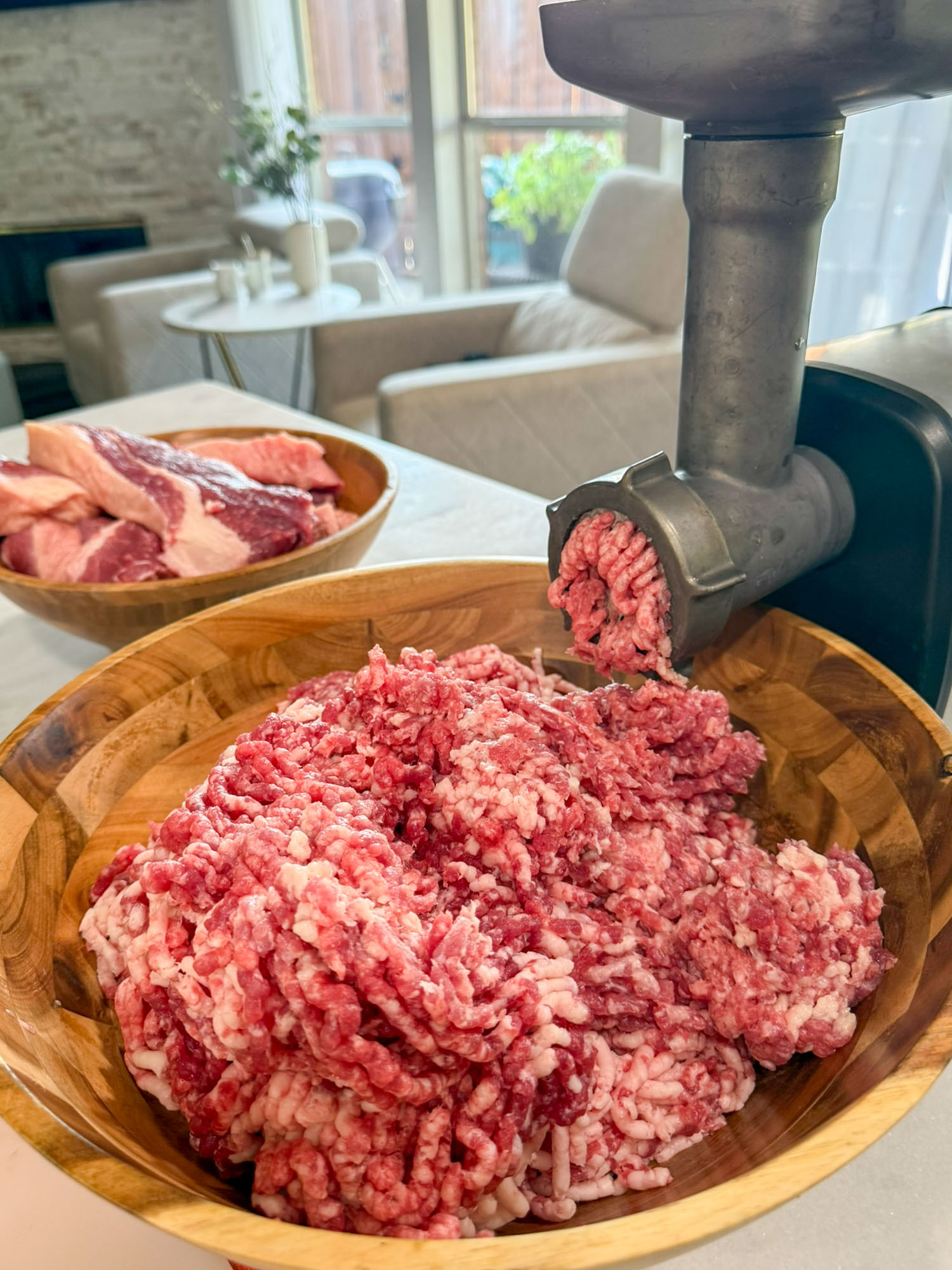
One of our favorite ways to start the summer is with a full grinding day. We break down the brisket, run it through the grinder, portion everything into freezer bags, and stock up for the whole season. Memorial Day, Fourth of July, summer birthday parties for the kids — all of it covered with one afternoon of work.
And every single time, without fail, the neighbors lose their minds over these burgers. They can't stop talking about them. They want to know what we seasoned them with, where we got the meat, what our secret is. We just smile and flip the next one. Ground brisket is our little family secret — but today we're showing you how you can get the same results!
(Links are affiliate links to products we think are helpful and we may receive a small commission, at no cost to you, if purchased.)
Jump to:
Ingredients
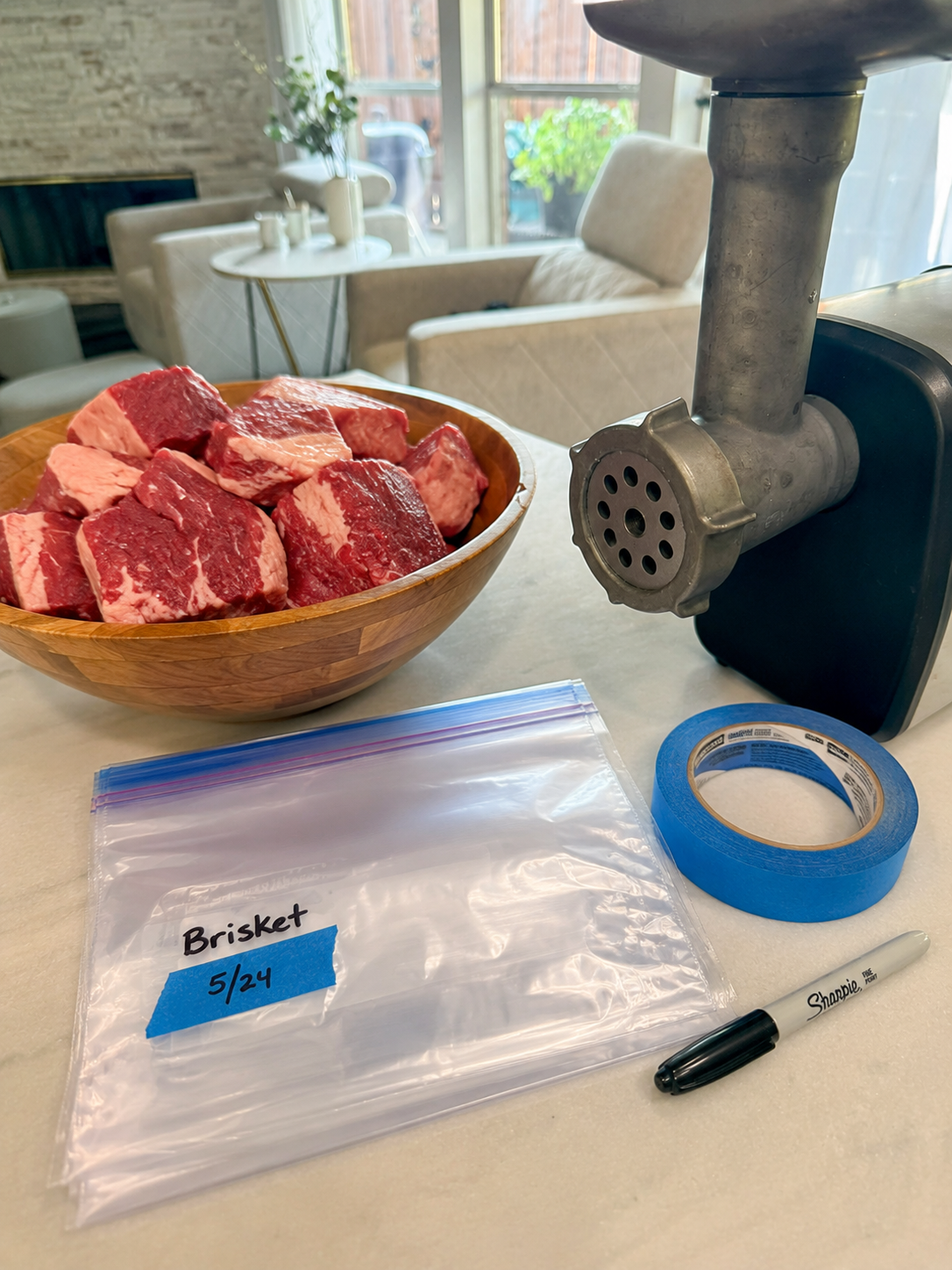
- Freezer bags for storage
- 1 whole packer brisket (12–16 lbs is typical)
- A sharp boning or butcher's knife
- A meat grinder — stand mixer attachment or standalone electric grinder both work
- A large sheet pan or bowl for holding the completed ground brisket
- Freezer space
- Labeling tape and a sharpie
Instructions
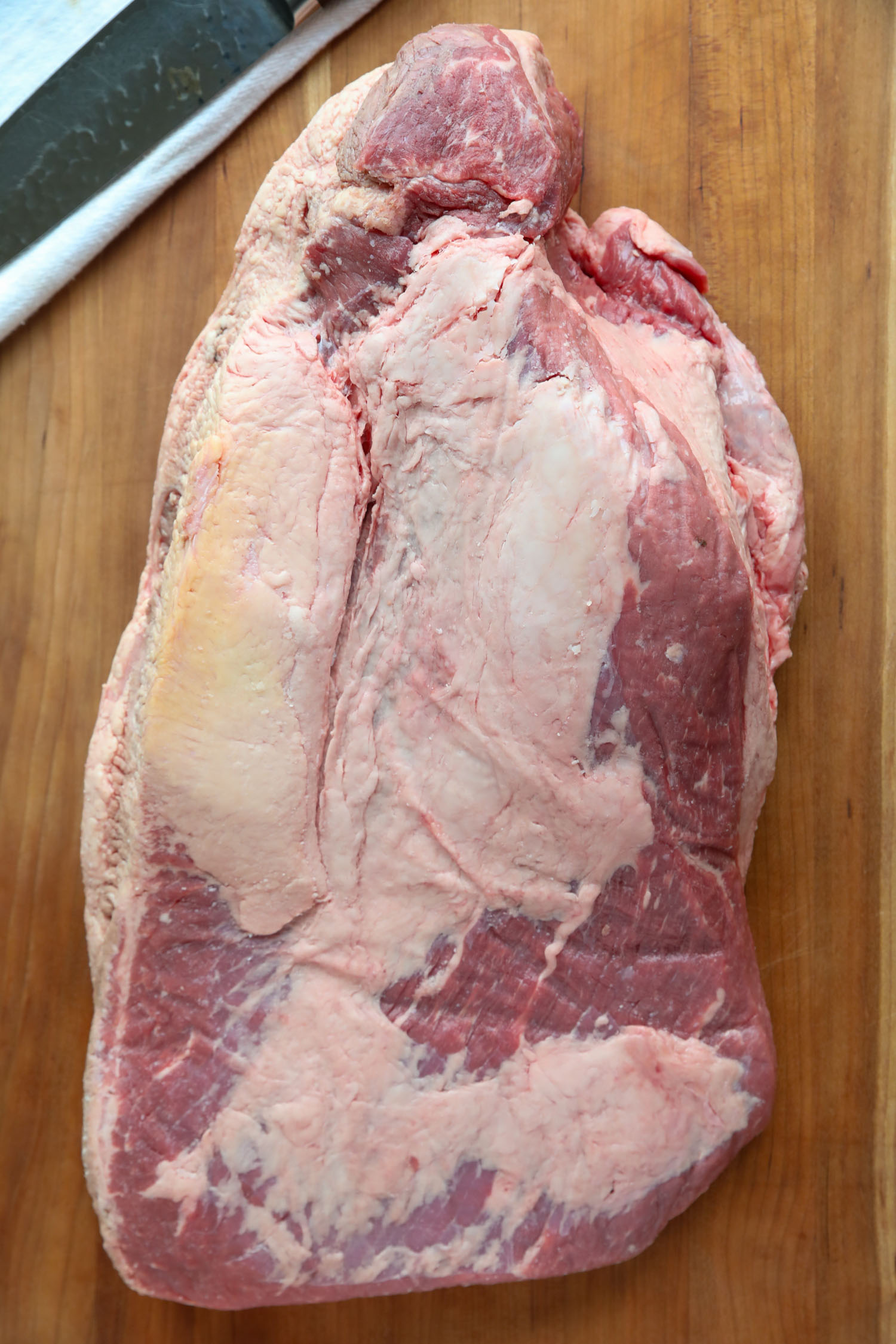
- Step 1: Prepare the whole brisket to be diced into manageable pieces with a cutting board, sharp knife, and towel.
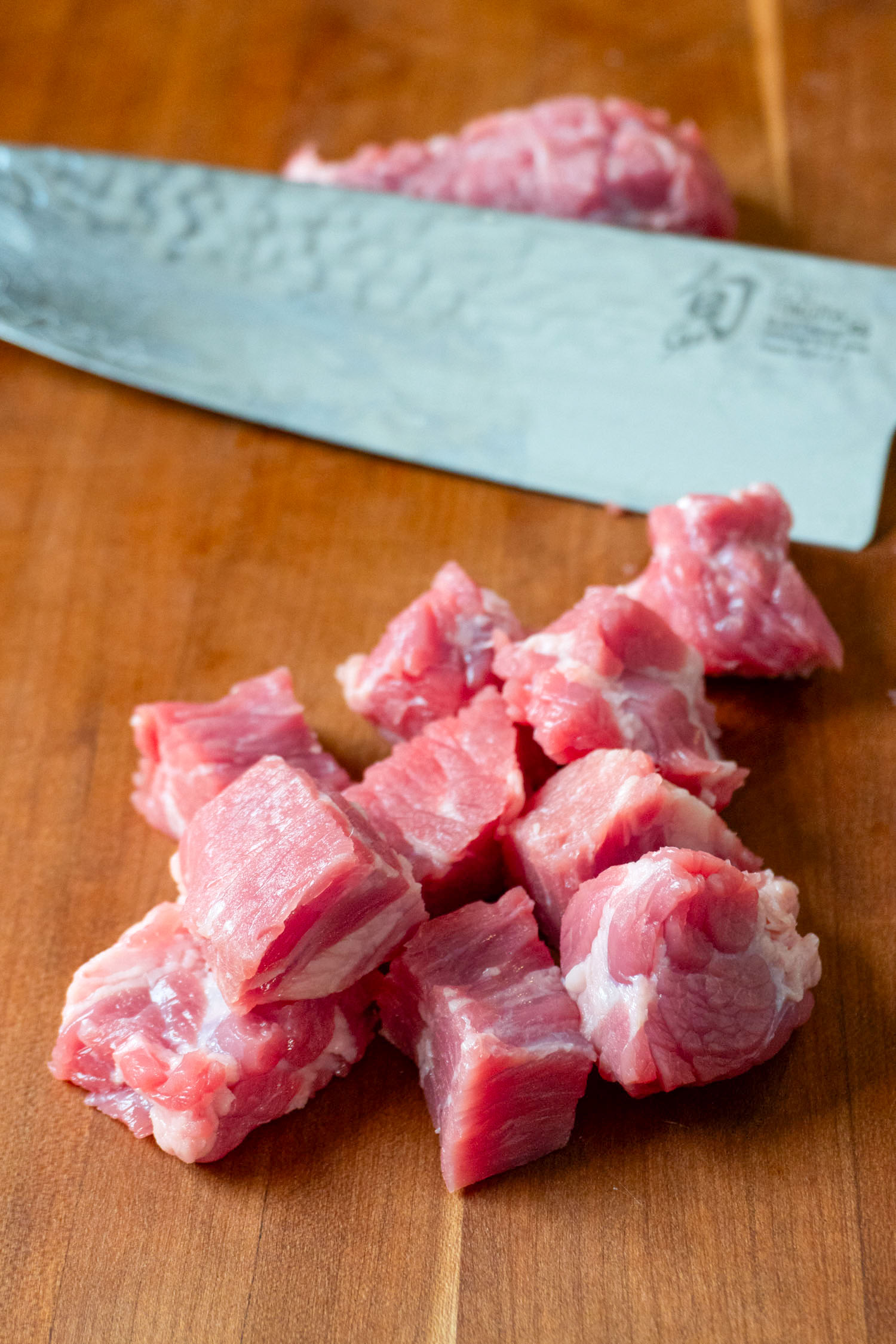
- Step 2: Cut into cubes. Always place the meat into the freezer between steps to keep it cold for grinding.
- Step 3: Ground the cubes in batches.
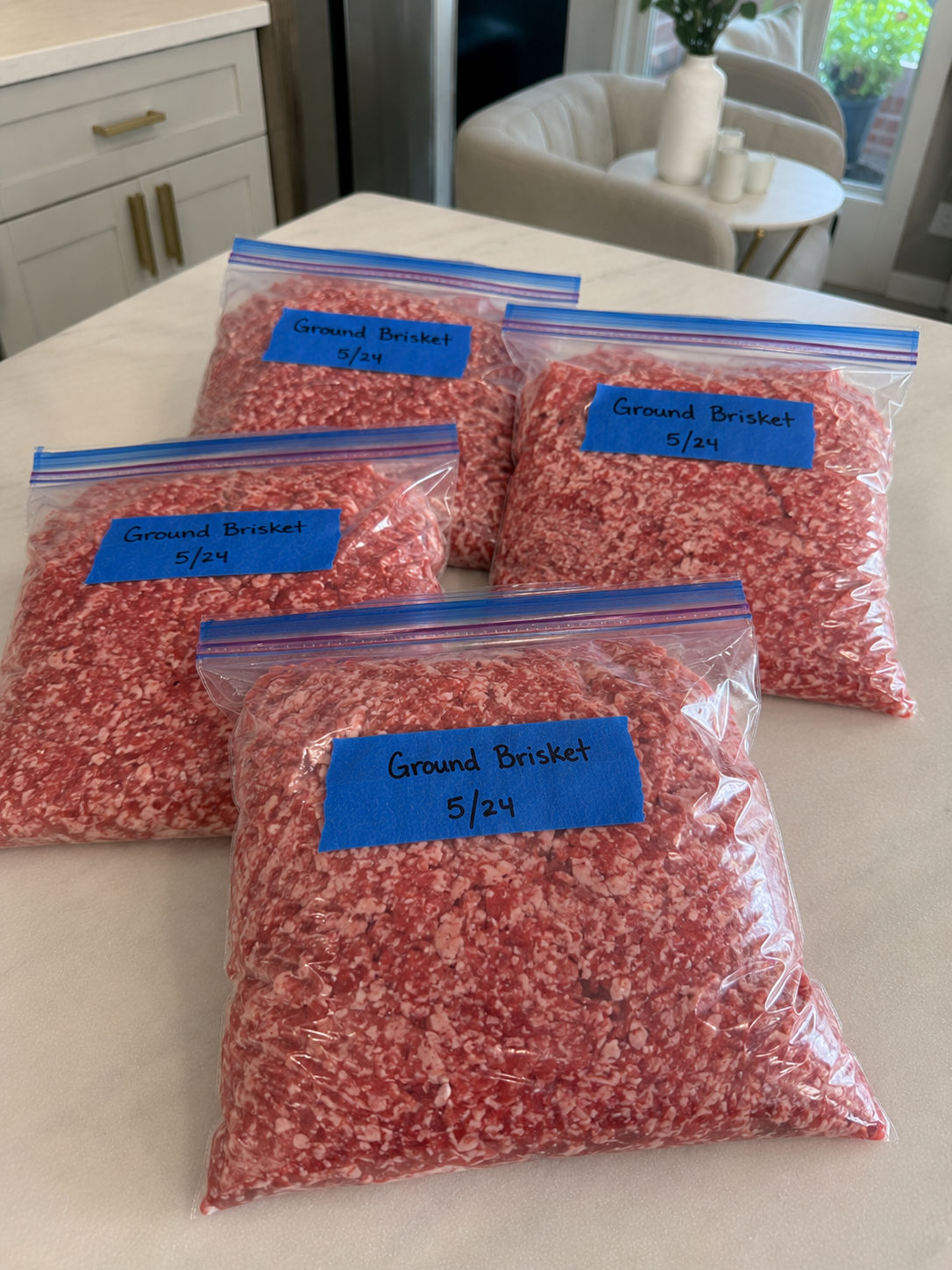
- Step 4: Portion into freezer safe baggies, label, and freeze.
Top Tip
Cold meat, cold grinder, cold everything. Warm fat begins melting instead of grinding clean and you'll end up with a dense, greasy patty instead of a juicy one.
Freeze your cubed brisket 30–45 minutes before grinding. Freeze your grinder parts too. If anything starts warming up mid-grind, stop and chill it back down. This one habit is the difference between a good grind and a great one.
Making the Best Hamburgers
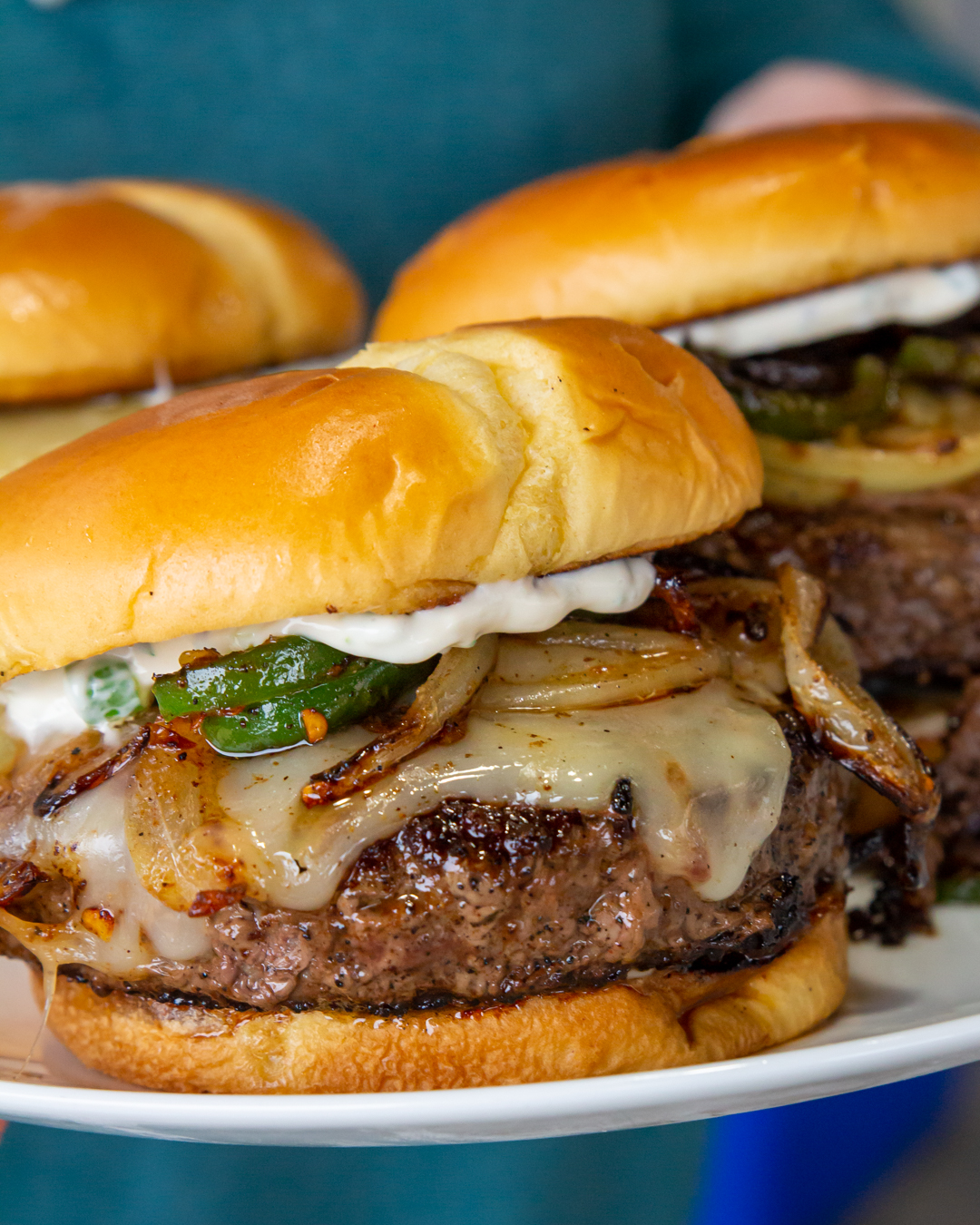
There's a reason steakhouses grind their own beef. Fat content, freshness, and cut selection are everything when it comes to a burger that actually tastes rich and meaty — and brisket checks every box. A full packer brisket gives you two muscles working together: the lean flat and the heavily marbled point, and that combination produces a depth of flavor you simply cannot get from a package at the grocery store. Here are a few more tips...
- Keep the burgers simple - Burgers this incredible don't need a bunch of toppings. Cook one up before you buy a plethora of toppings for your backyard barbecue. You'll see they're best served with one cheese, one sauce or dressing, and just a few toppings like a pickle, griddled jalapeno, or sprinkle of onion.
- Bun - We love a specialty soft bun like a brioche or soft pretzel bun that can absorb the juices and fat content of a burger this rich.
- Griddle or Grill - The homemade patties are high-fat content and sear like a dream, so we love them on a griddle. If you opt for grilling over fire, make the burgers thick so that when the fat renders there is still plenty of meat in each portion.
We love starting the summer barbecue season with one day of grinding all the meat we will use for the summer, and freezing this special grind for important events like Memorial Day, July 4th, and days at the beach.
Variations
By now you've probably realized you can grind your own anything. Grind your own pork, chicken, and turkey into ground meat as well.
- Ground Pork Usually comes from the shoulder (also called Boston butt or pork butt) — it has a good fat ratio that makes it ideal for grinding. Trimmings from other cuts like the loin and leg get mixed in commercially, but shoulder is the primary source and what most butchers use for fresh-ground pork.
- Ground Chicken Commercially it's a mix of trimmings from the breast, thigh, and back — whatever is left after the prime cuts are broken down. At home or from a good butcher, thighs are the best choice for grinding because the fat content gives you flavor and moisture. Breast-only grind tends to be very lean and can dry out fast.
- Ground Turkey Similar to chicken — it's typically a mix of breast meat, thigh meat, and skin in varying ratios, which is why fat content varies so much by package. "Lean" ground turkey is mostly breast. Regular ground turkey usually has thigh and some skin mixed in, which gives it more flavor and holds up better in a patty or meatball. Dark meat only ground turkey, if you can find it, is the most flavorful option.
Equipment
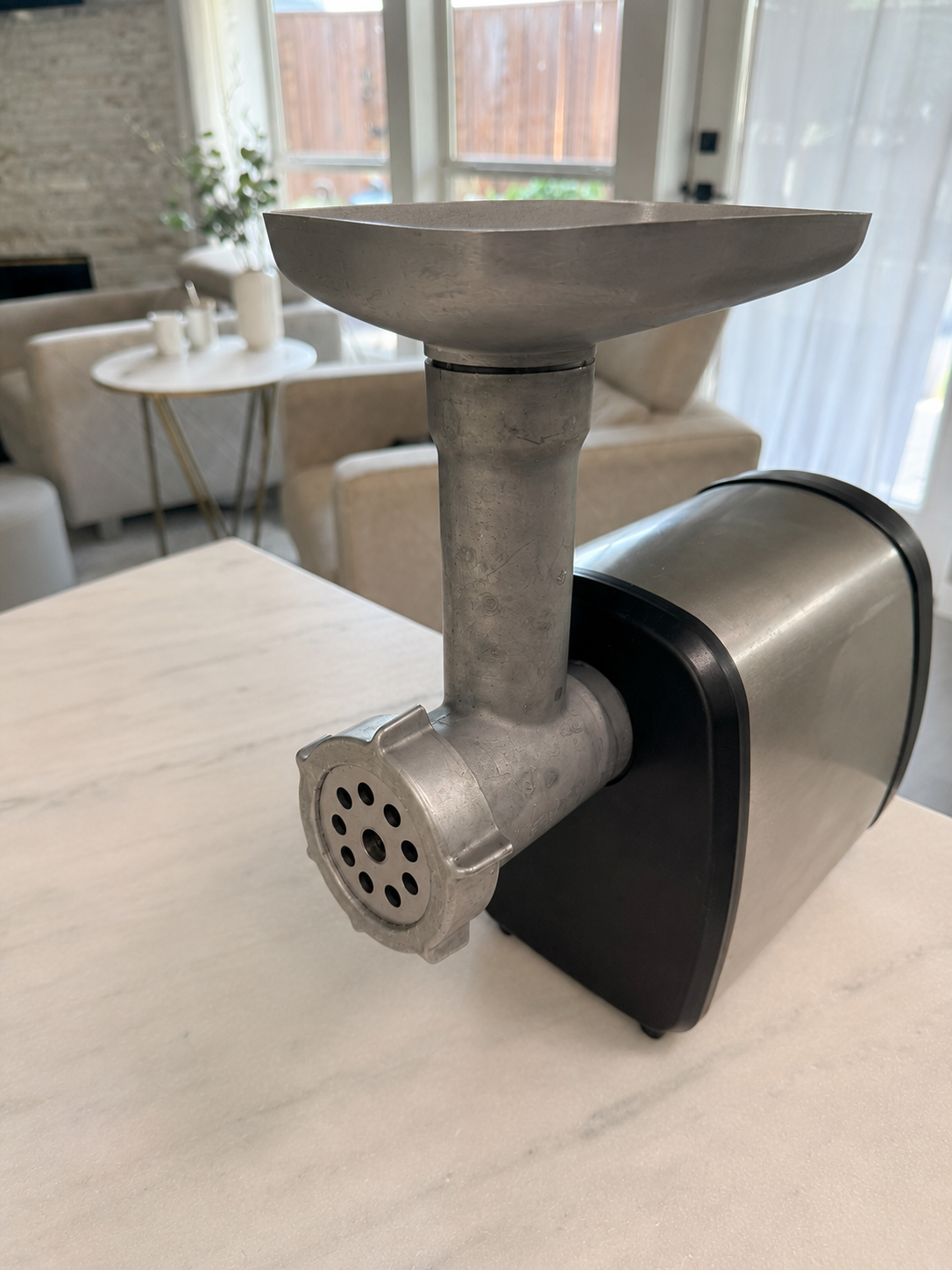
The only piece of equipment you really can't skip is a meat grinder. If you have a KitchenAid or similar stand mixer, the grinder attachment is an easy add and it handles a full brisket no problem.
If you grind meat more than a few times a year, a standalone electric grinder is a game changer — faster, easier to clean, and built for bigger jobs. Whatever you're using, throw the parts in the freezer before you start grinding. Warm equipment warms the meat, and warm meat makes a bad grind.
Storage
Once you've ground your brisket, portion it out before it ever hits the fridge. I like to do one-pound portions in freezer zip bags — press them flat so they stack easily and thaw faster.
Squeeze out as much air as you can, label with the date and weight, and get them in the freezer same day. Fresh-ground beef moves fast in the fridge, so if you're not cooking it within two days, freeze it. It'll keep well for up to three months (and sometimes longer).
Related
Looking for other recipes like this? Try these:


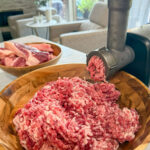
How To Grind a Brisket Into the Best Ground Beef for Burgers
Equipment
- 15 Freezer Bags
- 1 Sharpie Marker
- 1 Painters Tape for Labeling
- 1 Large Bowl
- 1 Chef Knife
- 1 Large Cutting Board
Ingredients
- 1 whole beef brisket
Instructions
Trimming and Prepping
- Trim the brisket minimally — just remove any hard or excess surface fat that won't grind well. You want to keep the majority of the fat intact for flavor and juiciness. Save excess fat for rendering into tallow or making brisket beans. (Both recipes are on this website.)
- Cut the entire brisket into 1–2 inch cubes, sizing them to fit the width of your grinder chute comfortably.
- Check your grinder's instruction manual and select the plate recommended for ground beef. 4.5mm-6mm is usually for ground beef for burgers8 mm is for coarse chili grind ground beef
- Place the cubed meat on a sheet pan and freeze for 30–45 minutes until firm but not frozen solid. Freeze your grinder parts while you are chilling the brisket, so both will be ice-cold for the project.
Grinding the Brisket
- Feed the ice cold meat through the grinder, alternating fattier pieces from the point with leaner pieces from the flat as you go. This gives you an even distribution of fat throughout the entire grind — no fatty clumps, no dry lean meat.
- One grind is all you need. A single pass produces a beautiful, loose grind with incredible mouthfeel that is perfect for burgers. You can grind a second time for finer blends if you prefer.
Labeling and Storage
- Portion the fresh-ground brisket into freezer bags, press flat, squeeze out the air, and label with the date (and weight if you prefer).
- Freeze until ready to use. Cook exactly as you would any ground beef — this is just a much better version of it.


Leave a Reply