
You know that sinking feeling when you watch grandma slice into a dry turkey? Yeah, today we're fixing that.
This apple cider brine is basically insurance against dry, flavorless meat. The sweetness of apples and ginger compliments turkey and plays perfectly with salt to break down proteins and lock in moisture, while aromatics sneak in layers of flavor that taste like fall decided to move into your roasting pan.
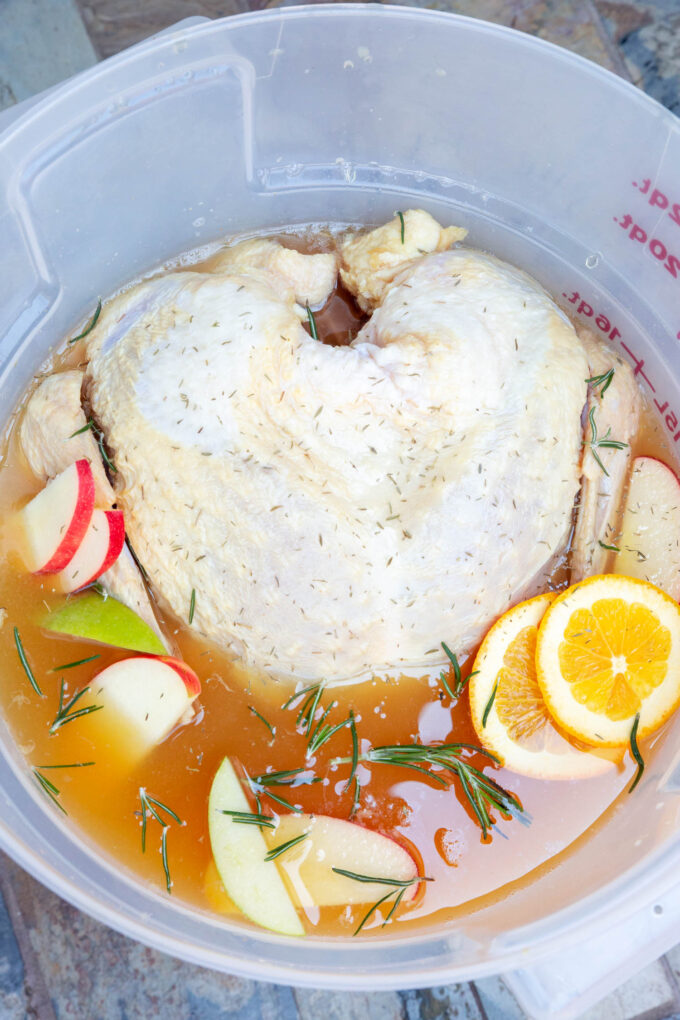
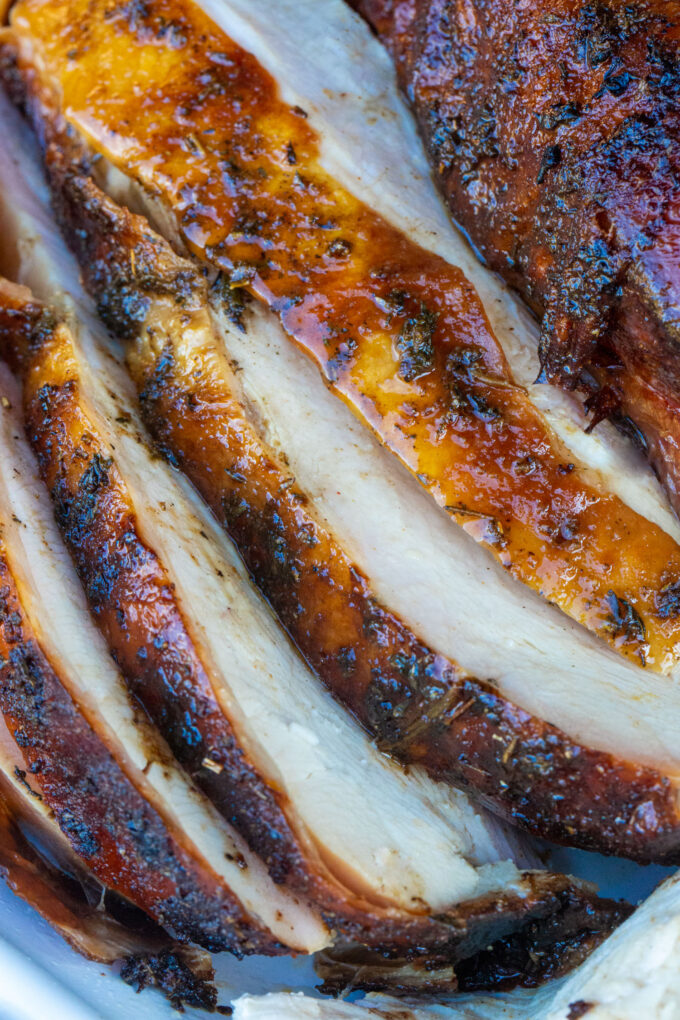
It's dead simple. A few easy-to-find ingredients, a big pot or bucket, and time doing all the heavy lifting while you handle literally anything else.
Here's how to brine a turkey that'll make you wonder why you ever skipped this step!
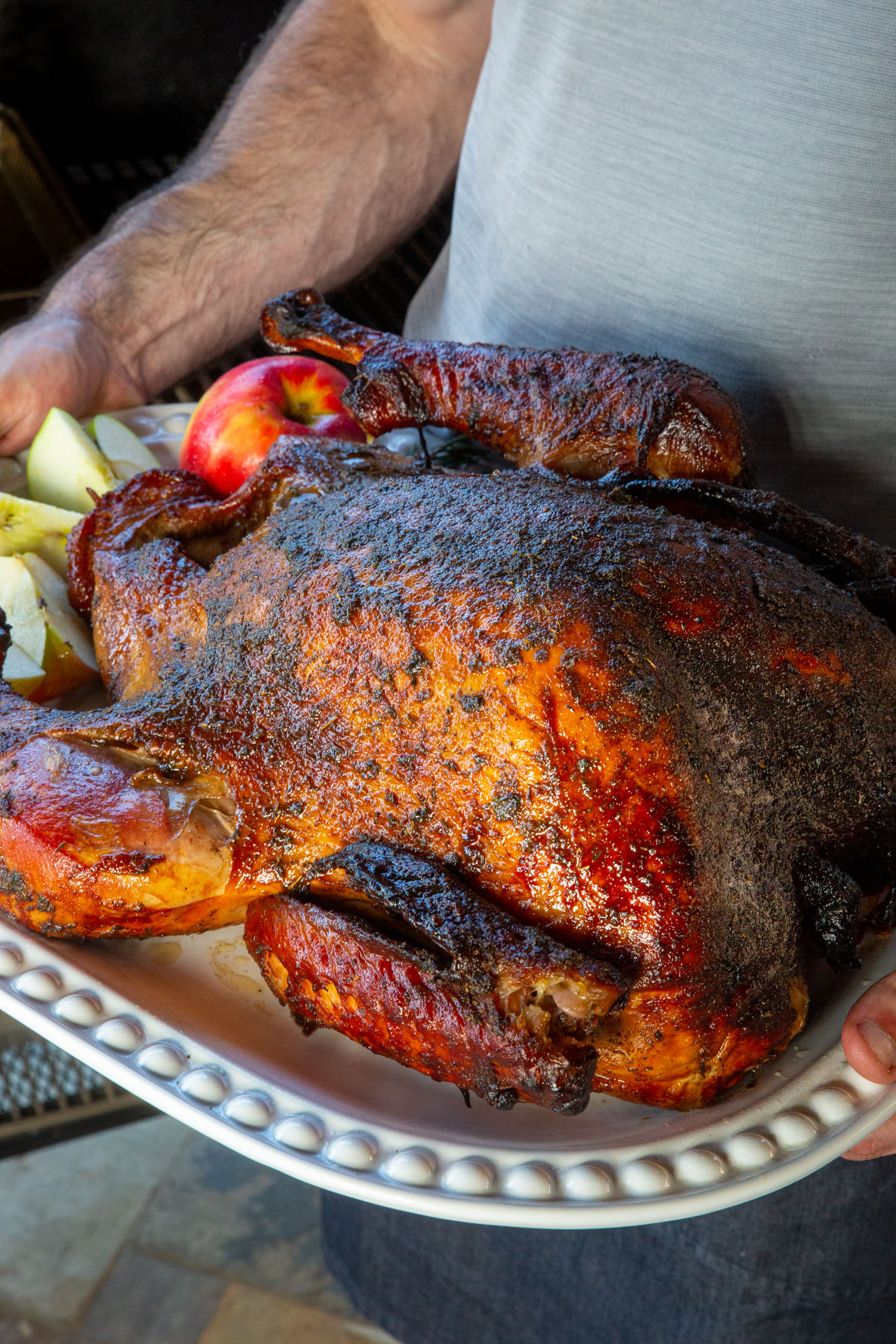
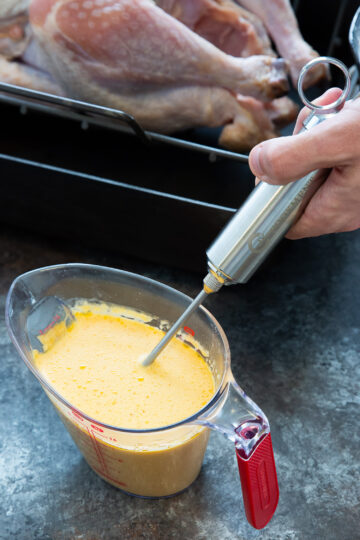
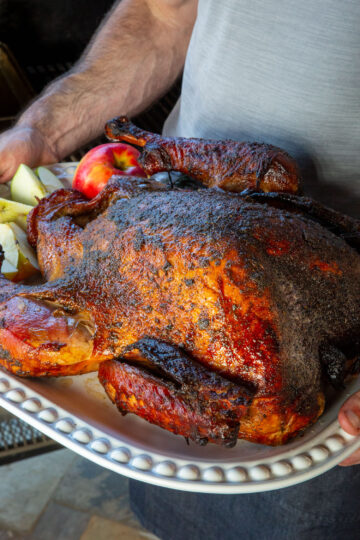
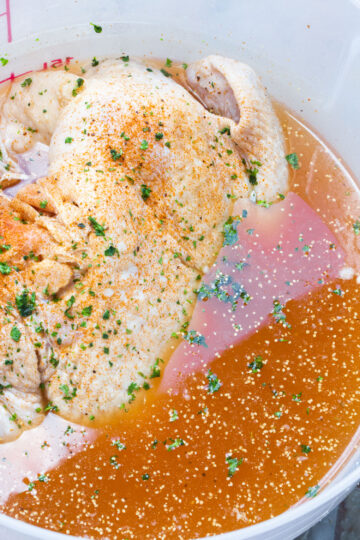
We share many Thanksgiving recipes each year including this Cajun Turkey Brine, our Turkey Paint Compound Butter, this Buttery Turkey Injection Recipe, a brine for Smoked Turkey, as well as this Ham with Heavenly Glaze.
If you want to smoke your turkey this year instead of roasting it, try this Smoked Turkey On A Pellet Grill Guide.
Jump to:
Why This Recipe Works
Brining isn't magic, but the science feels pretty close when you're carving into meat this juicy. The key is osmosis and salt penetration.
When you submerge turkey in a salt solution, the brine gets pulled into the muscle fibers, seasoning the meat from the inside out. But here's where apple cider makes the difference: the natural sugars and mild acidity don't just add flavor, they also help denature proteins more gently, which means the meat holds onto moisture even after it hits high heat in the oven. Standard water brines work, but cider builds complexity that tastes intentional, not bland.
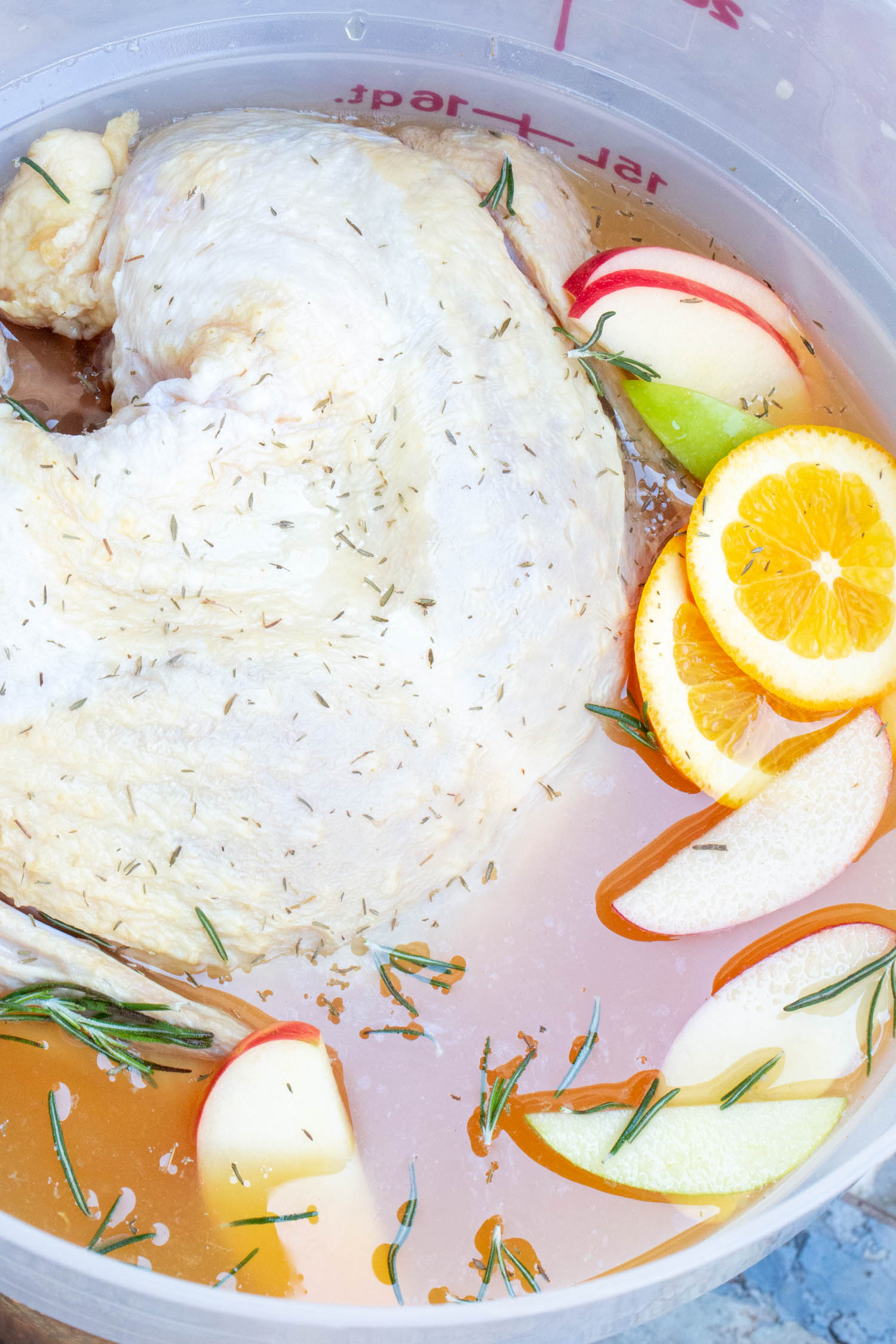
The ratio here is critical. We use the classic Le Cordon Bleu Textbook ratio of 1 cup of kosher salt per 2 gallons of liquid, which is recommended for an overnight brine. The sugar balances the salt and encourages better browning during roasting. Aromatics like cinnamon sticks, clove, and fresh herbs infuse subtle background notes that make the finished bird taste layered and thoughtful.
Time matters too. You need at least 12 hours for a smaller bird, but 24 is the goldilocks zone for turkeys in the 12 to 16 pound range. Any less and the brine doesn't penetrate deep enough. Set it, forget it, then pull a turkey that cooks up ridiculously moist with crispy, golden skin that actually tastes like something.
Finally, this flavor profile is loaded with the fall flavors of apples, ginger, and orange, making it a perfect addition to your Thanksgiving recipes. The best turkey brine recipe for the holiday season leans into these classic seasonal flavors and makes the turkey feel like a special occasion year after year!
Equipment
You don't need fancy gear, but you do need the right size container and a way to keep everything cold.
- A large food-safe container or brining bag: Your turkey needs to be fully submerged. A 5-gallon food-safe bucket works great, or I recommend the Cambro 22 quart vessel with a lid. If you're using a bucket, make sure it's never held anything toxic or soapy.
- A large pot: You'll heat part of the brine to dissolve the salt and sugar, so use at least an 8-quart pot.
- Refrigerator space or a cooler with ice: The turkey has to stay below 40°F the entire time it's brining. If your fridge can't fit a bucket, a clean cooler packed with ice works perfectly. Just monitor the temp and add more ice as it melts.
- Instant-read thermometer: Not for the brine itself, but you'll want this on hand when you roast to make sure your perfectly brined bird doesn't get overcooked. I recommend this one with a 10 year warranty.
If you don't have a bucket, a large roasting pan lined with a brining bag is a solid backup. Just make sure whatever vessel you use can hold the turkey and enough liquid to cover it by at least an inch. You can also use a clean drink cooler, which is clutch if you're doing this during the holiday fridge crunch. Skip anything metal that isn't stainless steel since prolonged contact with salt brine can cause reactions that mess with flavor.
The key is keeping everything cold and covered. If you're using a cooler, reusable ice packs work better than loose ice because they won't dilute the brine as they melt.
Ingredients & What They Do
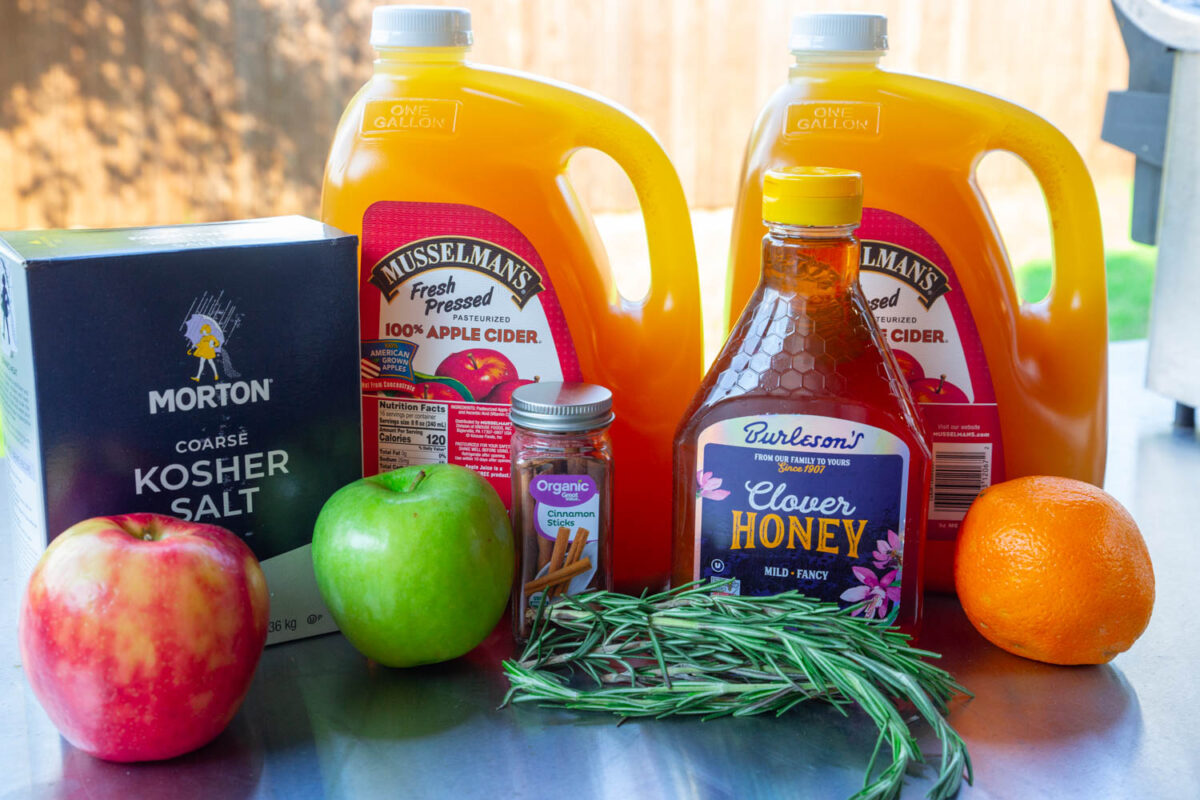
Every ingredient here has a job, and skipping one will cost you flavor or texture.
- 2 gallons apple cider: This is the flavor base. Use real apple cider, or apple juice if you're in a pinch. Cider is unfiltered and has more depth and natural sweetness. It also contains mild acidity that helps tenderize the meat while adding that unmistakable fall vibe. Both gives a mildly sweet and wonderful flavor to fresh turkey
- 1 cup kosher salt: The MVP. Salt triggers osmosis, so the turkey deeply drinks in the fragrant broth and retains moisture during roasting. Use kosher salt, not table salt, because the crystal size matters for measurement accuracy.
- 1/2 cup honey: Balances the salt and adds a hint of sweetness that plays well with the cider. Honey also promotes better caramelization and browning on the skin. You can swap for maple syrup or brown sugar if you want a different flavor angle.
- Fresh ginger slices: Ginger plays well with the natural flavor of turkey and lays a foundation for fall flavor
- Cinnamon and Clove: Subtle spice and a fragrant autumnal flavor profile that accentuates without being overpowering
- Orange Juice: Adds acidity and brightness to the apple brine
- Fresh herbs like thyme, rosemary, or sage (a few sprigs): Optional but recommended. These bring herbal aromatics that soak into the meat and make the whole turkey smell incredible as it roasts. Just use whatever herbs you're already buying for other recipes.
- 1 turkey (12-16 pounds), thawed: Make absolutely sure your bird is fully thawed before brining. A frozen or partially frozen turkey won't absorb the brine properly.
If you can't find apple cider, unfiltered organic apple juice works in a pinch, but the flavor won't be quite as robust. For the herbs, use what you have or what you like. Rosemary can get intense, so go lighter with it. Sage is traditional and pairs beautifully with both the cider and the turkey. Thyme is the safest bet if you're not sure.
Step-by-Step Instructions
Here's the full process from start to a turkey that's ready for the oven...
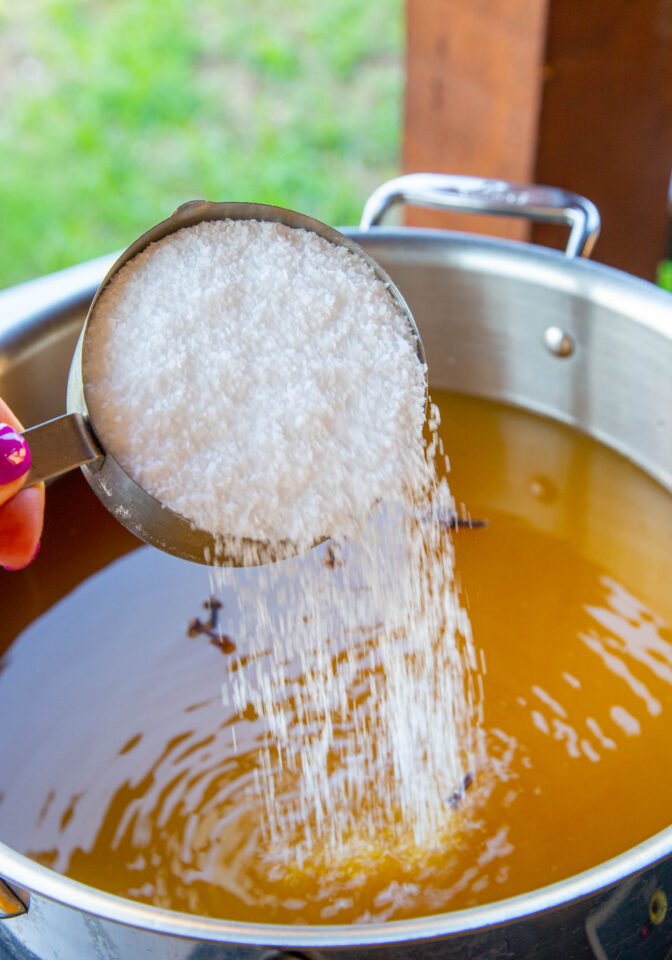
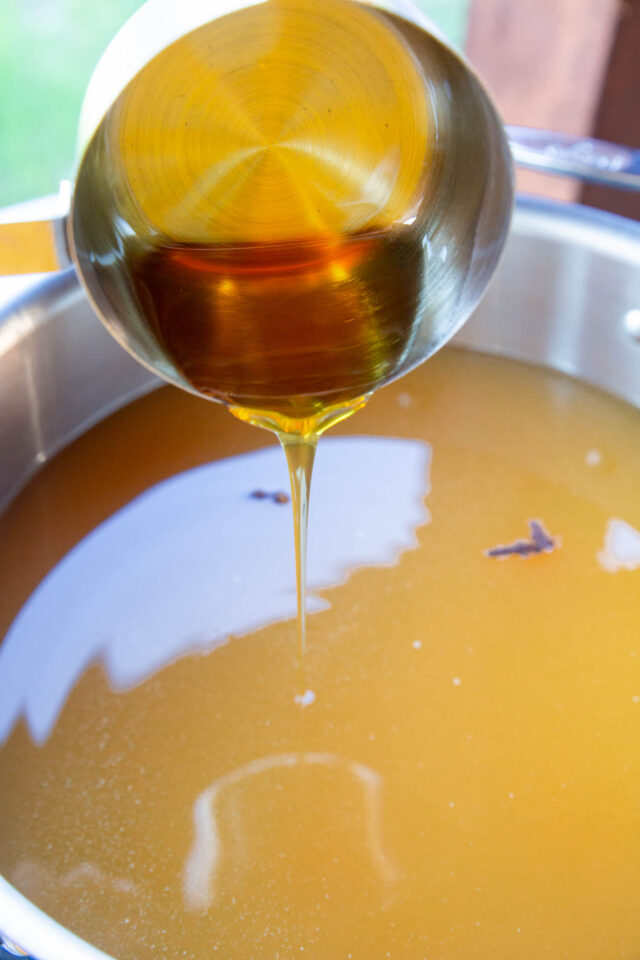
- Heat 1 gallon of apple cider with salt and honey: Pour 1 gallon of apple cider into a large stockpot. Add the kosher salt and honey. Heat over medium heat, stirring occasionally, until the salt and sugar are completely dissolved. You don't need to boil it, just get it warm enough to dissolve everything. This usually takes about 5 minutes.
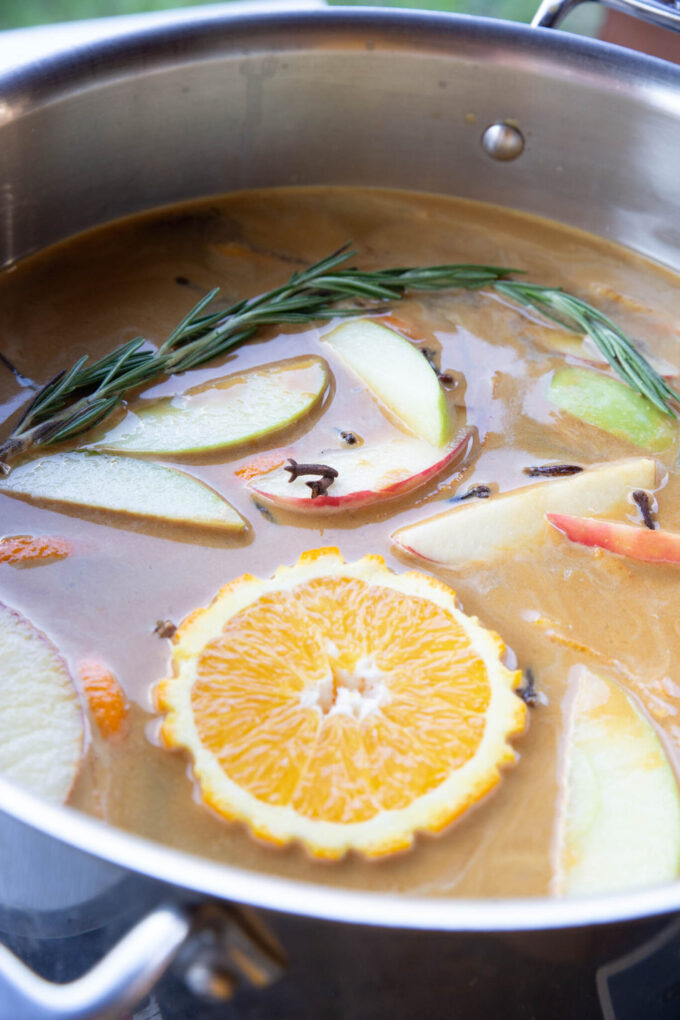
- Add aromatics and infuse the flavors: Once the salt and honey are dissolved, add the freshly squeezed oranges, fresh ginger, spices, and fresh herbs. Stir to combine, simmer 10 minutes, then remove from heat and let brine cool to room temperature.
- Add the last gallon of apple cider and chill the brine: Transfer the brine to the food-safe bucket or Cambro container. Pour in the remaining gallon of apple cider.
- Prep the turkey: Remove the turkey from its packaging. Pull out the neck and giblets from the cavity (save those for stock if you want). Rinse the turkey under cold water and pat it dry with paper towels. Trim off any excess fat or skin around the neck and cavity.
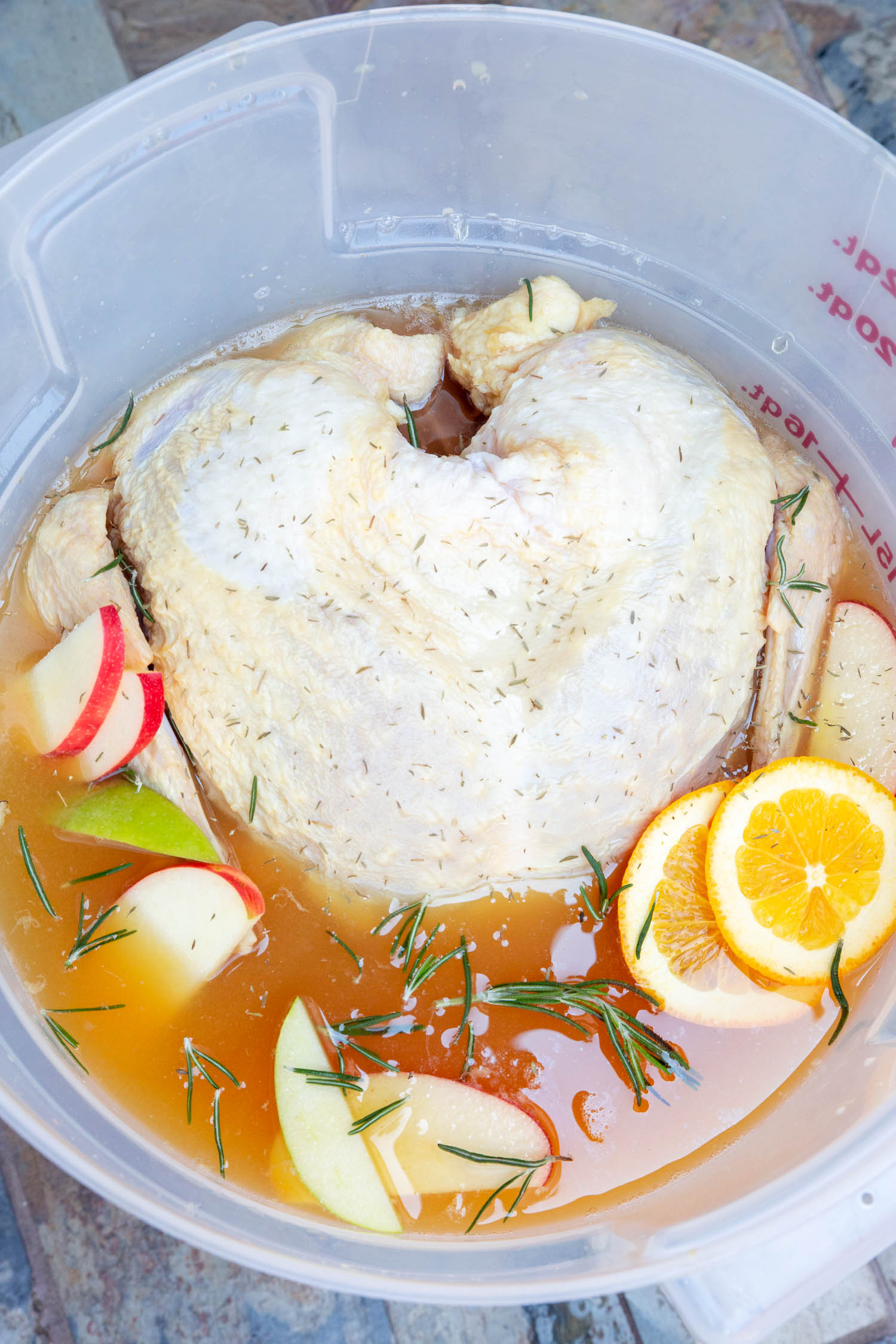
- Submerge the turkey in the brine: Place turkey in your brining container breast-side down. If the turkey floats, weigh it down with a plate or a sealed bag filled with ice.
- Refrigerate for 12 to 24 hours: Cover the container and refrigerate. If you're using a cooler, pack it with ice and monitor the temperature to keep it below 40°F. A 12-pound bird needs at least 12-hours. Anything larger benefits from a full 24-hours for the brining process to have the best effect.
- Remove and rinse: When brining time is up, pull the turkey out and rinse it thoroughly under cold running water, inside and out. This removes excess salt from the surface so the skin isn't too salty.
- Dry and rest: Pat the turkey completely dry with paper towels, especially the skin. Place it on a rack set over a roasting pan and refrigerate it uncovered for at least 4 hours, or overnight if you have time. This dries out the skin, which leads to crispier, more golden results when you roast.
- Safely discard the brine water: The brine liquid cannot be reused and contains raw poultry juices. Make sure to dispose of it safely down the drain and then sanitize the sink.
You'll know the turkey is ready to roast when the skin feels dry to the touch and has tightened up a bit. The brine has already done its job inside the meat, so now you're just setting yourself up for perfect crispy skin. Don't skip the drying step or you'll end up with pale, rubbery skin no matter how high you crank the oven.
Tips from the Pros
Get creative with where to store your brine: You can brine the turkey in a large drink cooler stored in a cold garage, basement, or even outside if the temp stays between 32°F and 40°F. Just keep a thermometer in there to make sure it doesn't get too warm.
Add a splash of bourbon or brandy to the brine. A quarter cup gives a subtle warmth and depth that plays beautifully with the cider. It's not boozy, just nuanced.
Don't reuse brine. Once it's touched raw turkey, toss it. The bacteria risk isn't worth it, and the flavor is spent anyway.
Always air-dry the turkey after brining. Wet skin steams in the oven instead of crisping. Even a few hours uncovered in the fridge makes a noticeable difference.lso a great idea to link out to another blogger with a similar recipe that fits a different diet.
Variations & Swaps
This brine is flexible enough to handle your preferences and what's in your pantry.
Swap the cider for pear juice or apple juice. Both bring sweetness and fall flavor. Pear juice is especially nice if you want something a little more delicate.
Go full Southern with a sweet tea brine. Replace the cider with strong-brewed black tea and add a little molasses instead of brown sugar. It's a completely different vibe but works beautifully.
Add heat with chili flakes or sliced jalapeños. A tablespoon of red pepper flakes or a couple of fresh chilies give the brine a subtle kick that's unexpected and delicious.
Use maple syrup or brown sugar. This amps up the fall flavor and adds a richer sweetness. You can also mix in a little Dijon mustard for tang.
Add a dash of spirits. Bourbon, brandy, apple brandy, and even whiskey can be added for a touch of flavor if desired. About 1/4 cup is fine.
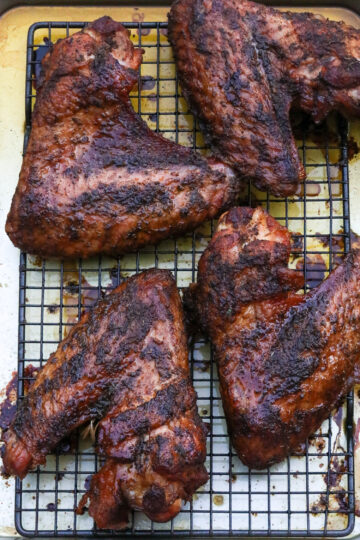
Can I use this brine on other poultry? This brine works with turkey breast, turkey wings, turkey legs, and even a large chicken or cornish game hens.
The Turkey Brine Formula
Every variation works as long as you keep the salt ratio consistent and give the brine enough time to penetrate the meat.
An overnight brine formula is 2 gallons liquid (total): 1 cup kosher salt. The first gallon is used to brew everything together like a tea, the second is used to dilute the brine and cool it down.
The cider does the work, the salt does the science, and you get all the credit for a bird that's juicy, flavorful, and proof that brining isn't optional anymore.
Once you taste turkey that's been properly brined, going back to the dry, under-seasoned version feels like a downgrade you just can't justify!
FAQ
Yes, in a pinch it can. Unfiltered apple cider has more acidity than apple juice, so it might benefit the brine to squeeze in the juice of half a lemon for a bit more acidity if you chose to go this route.
Ideally, 24 hours. I have left a turkey on the large side (16 pounds) in for 36 hours with great results.
You can replace the apple cider for any liquid and get the same process as long as the liquid is water-based and you add in the kosher salt. Other options include chicken broth, chicken stock, vegetable broth, water, pear juice, and even sweet tea.
Yes, you may place up to 3 turkey breasts into this amount of brine with fantastic results.
More Turkey Help...
Looking for other turkey recipes like this? Try these:

Other Options For Thanksgiving Dinner...
These are my favorite not-a-whole-turkey main dishes to serve...


How to Brine a Turkey With Apple Cider the Right Way
Equipment
- 1 22 Quart Cambro With Lid
Ingredients
Brine Ingredients
- 2 gallons apple cider divided
- 1 cup kosher salt
- ½ cup honey or brown sugar
- 2 cinnamon stick
- 7 whole cloves
- 1- inch piece fresh ginger thinly sliced
- 1-2 oranges fresh (juice of)
Turkey
- 12-16 pound whole raw turkey fresh or completely thawed
Optional Add-Ins
- 3 sprigs Fresh rosemary, sage, thyme
Instructions
Prepare the Apple Cider Brine
- Combine the cider, salt, and honey. Pour 1 gallon of apple cider into a large stockpot, reserving the second gallon for later. Add the kosher salt and honey, stirring to combine.
- Place the cinnamon sticks, whole cloves, and thinly sliced fresh ginger into the pot.
- Prepare the orange. Using a citrus zester or channel knife, remove strips of zest from the orange and add them to the cider mixture. Cut the orange in half and squeeze its juice directly into the pot.
- If using any optional fresh herbs or optional additions add them now.
- Heat the brine. Bring the cider mixture to a boil over medium-high heat, stirring occasionally until the kosher salt and honey have completely dissolved.
- Cool the brine. Remove the stockpot from the heat and allow the mixture to cool. Once it reaches room temperature, transfer it to the refrigerator until thoroughly chilled. Never add warm brine directly to raw turkey.
Brine the Turkey
- Prepare the turkey. Remove the packaging and giblets and neck from the turkey, making sure the bird is completely thawed before beginning. Place the turkey breast-side down in a clean, food-safe 5-gallon bucket or large brining container.
- Add the remaining cider. Pour the reserved gallon of cold apple cider over the turkey.
- Pour in the prepared brine. Once the cooked apple cider mixture has chilled completely, add it to the container with the turkey. Make sure the bird is submerged in the brining liquid.
- Refrigerate and brine. Cover the container and refrigerate for 24 hours, keeping the turkey and brine at 40°F or below. For a longer brine, the turkey may remain in the solution for up to 48 hours. Larger turkeys should be turned once during the process to help ensure even brining.
Remove the Turkey From the Brine
- Remove and dry the turkey. When the turkey has finished brining, carefully lift it from the cider mixture and allow the excess liquid to drain away. Use paper towels to thoroughly pat the skin dry.
- Discard the brine. Remove the large spices and fruit pieces and discard the used brining liquid. Thoroughly wash and sanitize the brining container and any surfaces that came into contact with the raw turkey.
- Place the turkey on a sheet pan or roasting rack and refrigerate allowing the skin to dry out for 2 hours. This step is optional but it encourages crispy skin. Season and cook. Your apple cider brined turkey is now ready for smoking or roasting. Season the outside with your favorite turkey rub or compound butter before cooking.


Leave a Reply